
 English

































































































Top 10 Healthy Cooking Oils You Should Use Every Day
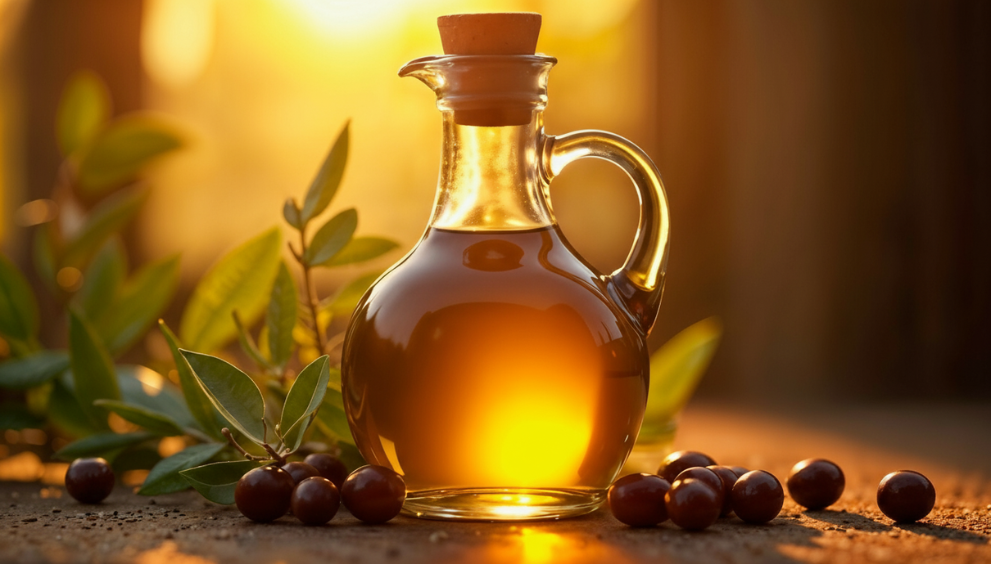
Choosing the right cooking oil is crucial for both flavor and health. With so many options on the market, it’s easy to get confused about which oils are best for frying, baking, or dressing salads. The wrong oils can contribute to inflammation, heart disease, or weight gain, while the right oils provide essential fatty acids, antioxidants, and vitamins that support overall health.
In this guide, we’ll break down the top 10 healthy cooking oils you should consider using daily. From cold-pressed olive oil to heart-healthy avocado oil, we’ll cover nutritional profiles, best culinary uses, potential drawbacks, and practical tips for incorporating them into your meals. By the end, you’ll have a clear roadmap for selecting oils that enhance both taste and wellness.
1. Extra Virgin Olive Oil (EVOO)
Benefits
- Rich in monounsaturated fats
- High in antioxidants and polyphenols
- Supports heart health and reduces inflammation
Best Uses
- Salad dressings
- Drizzling over cooked dishes
- Low to medium-heat sautéing
Considerations
- Smoke point: 375–420°F
- Not ideal for high-heat frying
Pro Tip: Store in a dark bottle to prevent oxidation and maintain flavor.
2. Avocado Oil
Benefits
- High in monounsaturated fats and vitamin E
- Supports skin, heart, and eye health
- Neutral flavor complements various dishes
Best Uses
- High-heat frying and roasting
- Salad dressings and marinades
- Baking and sautéing
Considerations
- Smoke point: 520°F
- Expeller-pressed or cold-pressed varieties are preferred
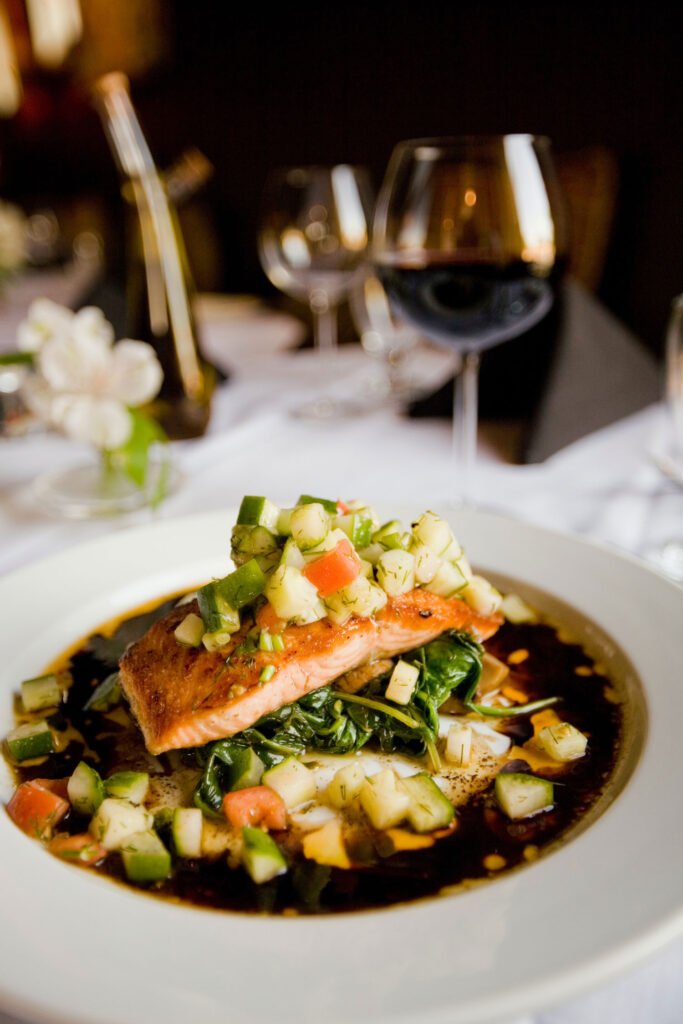
Example: Use avocado oil to pan-sear salmon for a crispy crust without compromising nutrition.
3. Coconut Oil
Benefits
- Contains medium-chain triglycerides (MCTs) for energy
- Supports metabolic health and digestion
- Natural antibacterial and antifungal properties
Best Uses
- Baking and desserts
- Stir-frying at medium heat
- Smoothies and coffee for a creamy texture
Considerations
- Smoke point: 350°F
- High in saturated fat; use in moderation
Quick Note: Virgin coconut oil retains more antioxidants compared to refined varieties.
4. Canola Oil

Benefits
- Low in saturated fats
- High in omega-3 fatty acids
- Affordable and widely available
Best Uses
- Baking, frying, and sautéing
- Salad dressings when blended with vinegar or lemon
- Roasting vegetables
Considerations
- Smoke point: 400°F
- Choose cold-pressed, organic options to avoid excessive processing
Tip: Canola oil blends well with stronger oils like sesame for Asian-style cooking.
5. Sesame Oil
Benefits
- Rich in antioxidants, lignans, and vitamin E
- Supports cardiovascular health
- Adds a distinctive nutty flavor
Best Uses
- Stir-fry and sauté
- Drizzling over Asian salads or noodle dishes
- Marinades and dipping sauces
Considerations
- Toasted sesame oil is for flavor only, not high-heat cooking
- Smoke point (light sesame oil): 410°F
Example: Add a teaspoon of toasted sesame oil at the end of cooking to boost aroma and flavor.
6. Flaxseed Oil
Benefits
- High in alpha-linolenic acid (ALA), a plant-based omega-3
- Supports heart and brain health
- Anti-inflammatory properties
Best Uses
- Salad dressings and cold dishes
- Smoothies
- Not suitable for cooking due to low smoke point
Considerations
- Smoke point: 225°F
- Store in the fridge to prevent oxidation
Pro Tip: Mix flaxseed oil with olive oil for a nutrient-rich salad dressing.
7. Walnut Oil
Benefits
- Rich in omega-3 and antioxidants
- Supports heart health and brain function
- Adds a delicate nutty flavor
Best Uses
- Cold dressings and vinaigrettes
- Drizzling over pasta, soups, or roasted vegetables
- Baking (as a flavor enhancer)
Considerations
- Smoke point: 320°F
- Best stored in the fridge to prevent rancidity
Quick Tip: Use walnut oil sparingly due to strong flavor and delicate nature.
8. Grapeseed Oil
Benefits
- High in polyunsaturated fats and vitamin E
- Neutral flavor, ideal for various dishes
- May support cardiovascular health and reduce inflammation
Best Uses
- Sautéing and stir-frying
- Baking and roasting
- Salad dressings
Considerations
- Smoke point: 420°F
- Avoid overusing in high-heat deep frying to prevent oxidation
Example: Grapeseed oil is perfect for roasting vegetables at moderate heat without altering flavor.
9. Peanut Oil
Benefits
- High smoke point and stable for frying
- Contains heart-healthy monounsaturated fats
- Rich in vitamin E and antioxidants
Best Uses
- Deep frying and stir-frying
- Asian cuisine and sautéing
- Marinades for meats
Considerations
- Smoke point: 450°F
- Not recommended for people with peanut allergies
Case Note: Peanut oil is widely used in restaurant frying due to stability and neutral flavor.
10. Sunflower Oil
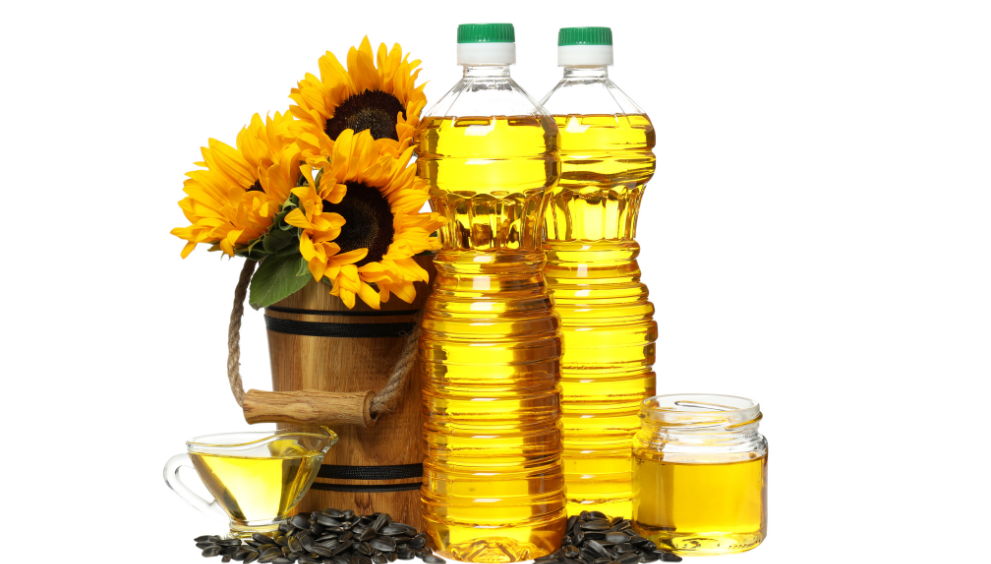
Benefits
- Rich in vitamin E and polyunsaturated fats
- Supports skin and cardiovascular health
- Neutral taste suitable for many dishes
Best Uses
- Baking, sautéing, and frying
- Salad dressings when blended with lemon or vinegar
- Roasting vegetables
Considerations
- Smoke point: 440°F
- Choose cold-pressed or high-oleic varieties for healthier fats
Pro Tip: High-oleic sunflower oil is more stable for high-heat cooking than regular sunflower oil.
Tips for Choosing the Right Cooking Oil
- Consider Smoke Point: Match oil to cooking method (high heat vs. cold dishes).
- Check Labels: Prefer unrefined, cold-pressed, or extra virgin varieties.
- Store Properly: Keep oils in dark, airtight containers away from heat and light.
- Rotate Oils: Use a variety of oils to balance omega-3 and omega-6 intake.
- Mind Portion Sizes: Even healthy oils are calorie-dense; moderation matters.
FAQs About Healthy Cooking Oils
1. Which cooking oil is healthiest for daily use?
Extra virgin olive oil and avocado oil are among the healthiest for regular use due to monounsaturated fats and antioxidants.
2. Can I use coconut oil every day?
Yes, in moderation. Coconut oil contains saturated fats, so balance with other healthy oils.
3. What’s the best oil for frying?
Avocado, peanut, and high-oleic sunflower oils are stable at high temperatures and ideal for frying.
4. Is olive oil good for high-heat cooking?
Extra virgin olive oil is best for low to medium-heat cooking; refined olive oil can handle higher heat.
5. Can I mix different oils in cooking?
Yes, combining oils like olive and grapeseed can balance flavor, nutrition, and heat stability.
6. How should I store cooking oils?
Store in dark, airtight containers in a cool, dry place; refrigerate delicate oils like flaxseed and walnut.
7. Do healthy oils go bad?
Yes, oils can oxidize or become rancid. Check smell and taste, and use within shelf life.
Conclusion
Choosing the right cooking oil can significantly impact both health and flavor. Incorporating a variety of oils like olive, avocado, coconut, and walnut ensures a balance of monounsaturated and polyunsaturated fats, omega-3 fatty acids, and antioxidants.
Key takeaways:
- Match oil to cooking method (smoke point matters).
- Use unrefined, cold-pressed oils for maximum nutrients.
- Rotate oils to maintain a healthy fatty acid balance.
- Store properly to prevent oxidation and rancidity.
By selecting the right oils and using them thoughtfully, you can elevate the taste of your meals while supporting heart health, skin health, and overall wellness. From salad dressings to frying and baking, these top 10 oils provide versatile, nutritious, and flavorful options for everyday cooking.