
 English
































































































What Is a Vending Machine Business? A Beginner’s Complete Guide
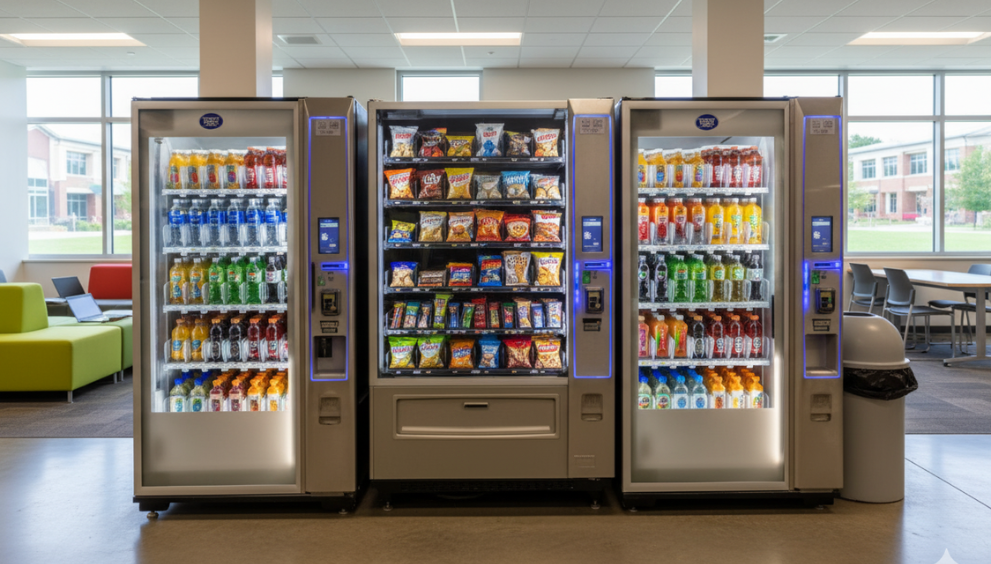
Starting a vending machine business has become one of the most accessible ways for new entrepreneurs to earn steady income with low startup costs and minimal daily management. From snack and drink machines to specialty vending concepts like electronics, coffee, or wellness products, vending is no longer limited to the traditional office breakroom. Today, it is a flexible, scalable, and relatively passive business model for beginners who want a hands-on opportunity without the complexity of traditional retail. In this guide, you’ll learn what the business involves, how it works, startup costs, profit expectations, mistakes to avoid, and practical steps on how to start a vending machine business even with a small budget.
This complete beginner’s guide walks through core business models, equipment choices, route building, contract negotiation, product sourcing, and more. Whether you’re exploring a side hustle or planning a full-time venture, use this article as your roadmap.
Understanding the Vending Machine Business Model
A vending machine business is a retail model that sells products 24/7 through automated machines. You purchase vending machines, place them in high-traffic locations, stock them with items, and earn profit each time a customer buys something.
Key Characteristics
- Low operational overhead
- No need for employees initially
- Flexible working hours
- Can start small and scale gradually
- Cash flow starts immediately once machines are placed
How Revenue Works
A vending machine generates revenue through product sales. After subtracting product cost, location commission (if any), machine maintenance, and route expenses like fuel, the remainder is profit.
A basic calculation:
If a drink sells for $1.75 and costs you $0.60 → Gross profit = $1.15 per sale.
At 20 sales/day:
20 × $1.15 × 30 days ≈ $690 per machine/month.
Numbers vary widely based on location and product demand, but well-placed machines consistently create strong returns.
Types of Vending Machines You Can Operate
The vending industry is much more diverse than snack machines. Choosing the right machine aligns your business with customer demand and location demographics.
1. Snack Vending Machines
Best for offices, schools, hospitals, and gyms.
Products include chips, chocolates, cookies, trail mix, and healthier alternatives.
2. Drink Vending Machines
Can include sodas, energy drinks, water, juices, and cold coffee.
High turnover and consistent profit margins.
3. Combo Vending Machines
Offer snacks + drinks in one unit.
Ideal for small spaces like hair salons, car shops, and small offices.
4. Specialty Product Machines
A fast-growing segment with higher profit per sale.
Includes:
- Beauty products
- Electronics (chargers, earbuds)
- PPE items
- Medication/health essentials
- Laundry supplies
5. Coffee & Hot Beverage Vending Machines
Great for offices with 20+ employees.
Recurring demand = predictable income.
6. Bulk Vending Machines
Chewing gum, candy, small toys.
Starts at $100–$300 per machine.
Very low cost and easy for beginners.
How to Start a Vending Machine Business (Step-by-Step)
Launching a vending operation doesn’t require certifications or formal training, but you do need a structured vending machine business plan and clear steps.
Step 1: Choose a Niche and Decide What to Sell
Your niche determines:
- Target locations
- Machine type
- Product variety
- Profit margins
Popular entry niches:
- Healthy snack machines
- Soda/drink machines
- Vending for small offices
- School-friendly vending
- Gym + protein vending
Tip: Start with 1–2 machines focused on a single niche so your inventory remains manageable.
Step 2: Research Your Market and Location Demand
Great machines in poor locations fail. Average machines in great locations thrive.
High-performing locations include:
- Corporate offices
- Schools and colleges
- Hospitals
- Hotels
- Auto repair shops
- Manufacturing plants
- Apartment complexes
- Community centers
Evaluate a location based on:
- Daily foot traffic
- Number of employees or visitors
- Competitor machines nearby
- Hours of operation
- Product type that matches customer habits
Mini case example:
A small accounting office with 40 employees may buy fewer sodas but lots of snacks during tax season. Meanwhile, a gym might produce twice the revenue with drinks and protein bars.
Step 3: Build a Simple Vending Machine Business Plan
A written plan helps you clarify objectives and expenses.
Your business plan should include:
- Business model
- Startup budget
- Target areas
- Expected revenue
- Inventory strategy
- Maintenance plan
- Route schedule
You don’t need a complex document—keep it simple and actionable.
Step 4: Register Your Business and Obtain Licenses
Depending on your region, vending machines may require:
- Business license
- Tax registration
- Resale certificate
- Food handling permit (for certain states)
Operating legally builds trust with property managers and protects your business.
Step 5: Buy Equipment — New, Used, or Refurbished
You can buy vending machines in three ways:
1. New Machines
Pros: Modern features, warranty, energy efficient
Cons: Higher cost ($2,500–$6,000)
2. Refurbished Machines
Pros: Affordable and reliable if purchased from trusted suppliers
Cons: Shorter lifespan; limited models
Cost: $900–$2,000
3. Used Machines (Independent Sellers)
Pros: Cheapest upfront costs
Cons: Riskier (no warranty, may need repairs)
Cost: $300–$1,500
When evaluating a vending machine business for sale, consider:
- Total number of machines
- Route performance
- Inventory cost
- Maintenance history
- Contract terms with locations
Some beginners prefer to buy an established route to avoid location hunting.
Step 6: Secure Locations Through Outreach
Finding a profitable location is the hardest—and most rewarding—part of the business.
Ways to find locations:
- Cold-calling businesses
- Visiting sites in person
- Email outreach
- Offering no-cost placement
- Providing commission (10–25%)
Sample pitch:
“We place a clean, modern vending machine at zero cost to your business and maintain it weekly. You get convenient snacks/drinks for your staff plus a commission on sales.”
Most small businesses like a “set it and forget it” solution, making it easier than people expect.
Step 7: Stock Your Machine With High-Demand Products
For snack and drink vending, popular products include:
- Coca-Cola, Pepsi, Dr Pepper
- Water bottles (top seller in most locations)
- Chips (Lay’s, Doritos, Cheetos)
- Granola/protein bars
- Chocolate bars
To avoid waste:
- Start with smaller quantities
- Track best-sellers
- Rotate in seasonal items
Follow the 80/20 rule:
20% of items will generate 80% of sales—optimize around your top performers.
Step 8: Manage Your Route and Operations Efficiently
As your business grows, you’ll build multiple routes. A route is the sequence of locations you visit for stocking and maintenance.
Efficient operations include:
- Weekly or bi-weekly stocking
- Cash collection + payment tracking
- Checking expiration dates
- Cleaning the machine
- Recording inventory
Use simple software or spreadsheets to track profits per machine.
Tip: Focus more time on high-performing machines and consider replacing low performers.
Step 9: Expand Your Business Strategically
Once you’ve mastered 2–5 machines, scale by:
- Adding combo machines in small offices
- Entering new industries (medical, hospitality, logistics)
- Acquiring routes
- Offering specialty items like frozen meals or personal-care products
Scaling is straightforward because each machine becomes a new revenue stream.
Startup Costs for a Vending Machine Business
Costs vary based on machine type and location strategy. Below is a typical breakdown for beginners:
- Machine purchase: $1,000–$4,000
- Initial inventory: $150–$400
- Business registration/licensing: $50–$300
- Transportation: $100–$500
- Machine upgrades/repairs: $50–$200
- Payment system (cashless reader): $250–$350
Total estimated startup cost for 1 machine: $1,500–$5,000
For bulk vending: $100–$300 per machine.
This makes vending one of the lowest-barrier retail businesses today.
How Much Money Can You Make? (Realistic Profit Breakdown)
Profit varies widely, but here are general industry averages:
Low-performing location
$50–$150/month
Average-performing location
$200–$450/month
High-performing location
$500–$1,200+/month
A beginner with 4–5 average machines can generate:
$250 × 5 machines = $1,250/month profit.
Some operators scale to 20–100 machines, earning full-time income.
Pros and Cons of Running a Vending Machine Business
Pros
- Low startup cost
- Flexible schedule
- Low overhead
- Can start small
- Fast ROI
- Scalable with minimal stress
Cons
- Heavy lifting required
- Occasional repairs
- Finding locations can be challenging
- Sales vary by season and location
Despite challenges, most operators find vending to be predictable and rewarding once routes are established.
Common Mistakes Beginners Should Avoid
- Overpaying for used machines
- Buying machines before securing locations
- Ignoring payment reader upgrades
- Neglecting machine cleanliness
- Poor product selection
- Choosing low-traffic locations
Each mistake slows profitability—but all are avoidable with planning.
Mini Summary: Key Takeaways
- The vending machine business is affordable, flexible, and scalable.
- Profit depends more on location than machine type.
- Start with a clear vending machine business plan.
- Choose machines that match customer demand.
- Use data to optimize your product mix.
- Scale gradually and reinvest profits.
Conclusion
A vending machine business is one of the most beginner-friendly opportunities for new entrepreneurs. With low startup costs, simple operations, flexible work hours, and strong earning potential, it offers a balanced pathway to building passive—or semi-passive—income. By choosing the right machines, securing profitable locations, monitoring product performance, and managing routes efficiently, you can build a sustainable business that grows steadily over time.
Whether your goal is to start a side hustle or expand into a multi-machine operation, the vending industry has room for you. Begin with one machine, learn from real-world experience, and scale as your confidence grows. The opportunity is accessible, profitable, and well worth exploring in 2025 and beyond.
FAQs
1. What is a vending machine business?
It’s a business where you place vending machines in locations, stock them with products, and earn profit from customer purchases.
2. How much does it cost to start a vending machine business?
Startup costs range from $1,500–$5,000 for a standard snack or drink machine; bulk vending can start at $100.
3. How profitable is a vending machine business?
Average machines make $200–$450/month. High-performing machines can exceed $1,000/month.
4. How do I find locations for vending machines?
Visit businesses in person, cold call, email, or offer machines at no cost with commission incentives.
5. Do I need a vending machine business plan?
Yes—having a clear plan helps you manage equipment, expenses, routes, and expected revenue.
6. What’s the best type of vending machine for beginners?
Combo machines or drink machines are popular for new operators because they sell quickly and are easy to maintain.


cenforce 150mg for sale
26th Apr 2026cenforce 150mg for sale
cenforce 150mg for sale
creon medicine generic
29th Apr 2026creon medicine generic
creon medicine generic
orlistat bupropiona
15th May 2026orlistat bupropiona
orlistat bupropiona
levitra 20mg tablet
17th May 2026levitra 20mg tablet
levitra 20mg tablet
doxycycline 100 mg cost
20th May 2026doxycycline 100 mg cost
doxycycline 100 mg cost
ketoconazole hub
15th Jun 2026ketoconazole hub
ketoconazole hub
ivermectin PK parameters
27th Jun 2026ivermectin PK parameters
ivermectin PK parameters
avanafil cost components
25th Jul 2026avanafil cost components
avanafil cost components
vardenafil safety cautions
27th Jul 2026vardenafil safety cautions
vardenafil safety cautions
amoxicillin antibiotic information
03rd Aug 2026amoxicillin antibiotic information
amoxicillin antibiotic information