
 English







































































































Tariff News Explained: Effects on Prices, Taxes, and Trade
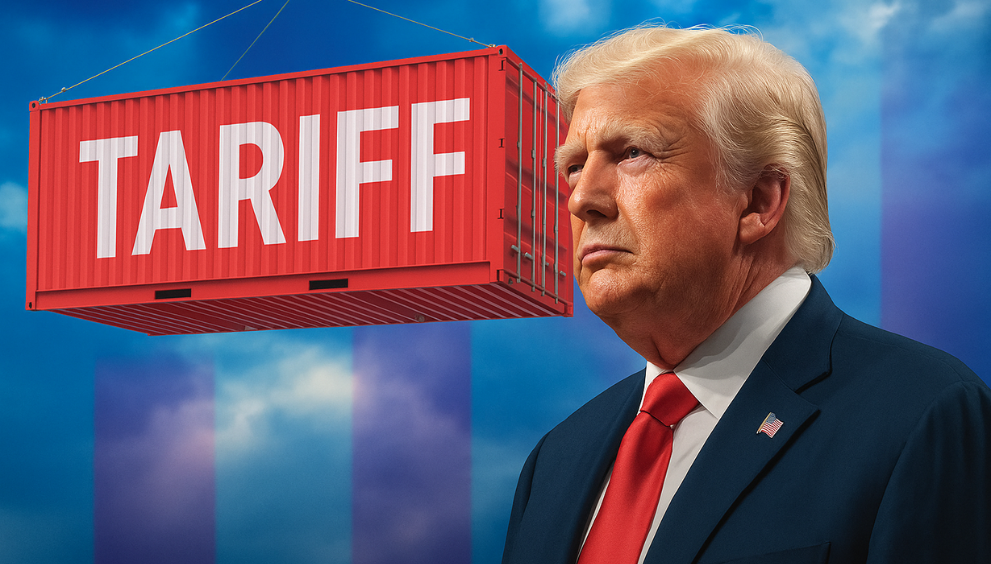
Understanding tariff news is essential for businesses, investors, and consumers alike. Tariffs—taxes on imported goods—directly influence product prices, import taxes, and international trade flows. Sudden changes in tariff policies can lead to market fluctuations, price hikes, or shifts in trade patterns. For anyone trying to navigate the global economy, staying updated on tariff news is no longer optional.
This article explains how tariff news impacts the economy, explores the ripple effect on prices and taxes, and provides insight into trade relations. We’ll break down complex concepts into practical terms, examine recent examples, and provide strategies for businesses and consumers to adapt to changing trade policies.
1. What Are Tariffs? A Primer
Tariffs are taxes imposed by governments on imported goods. They serve several purposes:
- Revenue Generation: Governments collect taxes on imports.
- Protectionism: Shield domestic industries from foreign competition.
- Trade Negotiations: Influence other countries’ trade policies.
Types of Tariffs
- Ad Valorem Tariffs: Percentage of the product’s value (e.g., 10% of an imported car).
- Specific Tariffs: Fixed fee per unit (e.g., $5 per imported shirt).
- Compound Tariffs: Combination of ad valorem and specific tariffs.
Micro Case Note: A 10% tariff on a $1,000 electronics item increases the cost by $100, directly affecting consumer prices.
2. Why Tariff News Matters

Keeping up with tariff news is crucial because:
- Business Planning: Companies can adjust sourcing or pricing strategies.
- Investment Decisions: Investors respond to trade policy changes impacting stock markets.
- Consumer Awareness: Shoppers may notice price changes on imported goods.
Recent Examples:
- US-China trade tensions caused fluctuations in electronics and agricultural prices.
- EU steel tariffs impacted construction and manufacturing sectors.
Tip: Monitor official government trade announcements and credible economic news platforms for timely updates.
3. How Tariffs Affect Prices
Tariffs increase the cost of imported goods, leading to:
- Higher Retail Prices: Businesses often pass the extra cost onto consumers.
- Supply Chain Adjustments: Importers may switch suppliers to avoid high tariffs.
- Inflationary Pressure: Prolonged tariffs can contribute to overall inflation in an economy.
Example Calculation:
If a product costs $200 and a 15% tariff is imposed:
- Tariff = $200 × 15% = $30
- New cost for importer = $230
- Retail price may increase to $240–$250 depending on markup.
Insight: Price sensitivity varies; luxury goods absorb tariffs better than low-margin consumer products.
4. Impact on Taxes and Government Revenue
Tariffs generate revenue for governments but also affect domestic tax policies:
- Customs Duties: Collected at ports or borders, adding to total import costs.
- Indirect Taxes: Higher import prices can increase VAT or sales taxes.
- Budget Planning: Governments may rely on tariff revenue to fund projects, especially in trade-reliant economies.
Micro Note: While tariffs increase government revenue, excessive reliance can harm local industries dependent on imported raw materials.
5. Tariffs and Trade Relations
Tariff news often signals shifts in global trade dynamics:
- Trade Wars: Countries may retaliate, imposing their own tariffs.
- Bilateral Agreements: Tariffs may be reduced under free trade deals.
- Supply Chain Diversification: Businesses may relocate sourcing to avoid punitive tariffs.
Example:
The US and China imposed reciprocal tariffs in 2018–2019, affecting electronics, soybeans, and machinery. Companies had to adjust supply chains, sometimes moving production to Southeast Asia.
Pro Tip: Businesses should consider long-term supplier contracts and regional diversification to mitigate risks.
6. Effects on Domestic Industries
Tariffs protect certain industries but can hurt others:
- Beneficiaries: Domestic manufacturers of goods competing with imports.
- Affected Sectors: Industries relying on imported raw materials (e.g., automotive, electronics).
- Competitiveness: High input costs may reduce export competitiveness.
Example: US steel tariffs helped domestic steel producers but increased costs for car manufacturers relying on imported steel.
7. Consumer Behavior and Tariff News
Changes in tariffs influence buying patterns:
- Shift to Domestic Products: Consumers may opt for local alternatives if imported goods become expensive.
- Advance Purchases: Anticipating price hikes, buyers may stockpile certain products.
- Reduced Demand: High tariffs can suppress demand for non-essential imported items.
Tip: Retailers often pass partial tariff costs to consumers while absorbing some to remain competitive.
8. Global Market Implications

Tariff news affects not only local markets but international trade:
- Currency Fluctuations: Trade tensions can influence exchange rates.
- Export Restrictions: Countries may reduce exports if tariffs are prohibitive.
- Investment Flows: Foreign investors may pause or redirect capital due to uncertain trade environments.
Case Study:
During the 2018–2019 trade war, global stock markets experienced volatility. Export-dependent countries like Germany and Mexico were particularly affected.
9. Tips for Businesses and Consumers
For Businesses:
- Monitor tariff news daily.
- Explore alternative suppliers or local sourcing.
- Adjust pricing strategies to accommodate cost changes.
- Use futures contracts or hedging to manage risk.
For Consumers:
- Compare prices for domestic vs. imported products.
- Consider buying in bulk when tariffs increase.
- Stay informed through reputable financial news outlets.
Practical Tip: Small businesses should consult trade advisors to avoid sudden losses due to tariff changes.
10. Understanding Tariff Announcements
Tariff news often comes in various formats:
- Government Gazettes: Official updates on new duties.
- Press Releases: Media-friendly summaries of policy changes.
- Economic Analysis Reports: Contextualizes the impact on industries and prices.
Pro Tip: Follow sources like WTO, IMF, and national trade ministries for credible information.
11. Common Misconceptions About Tariffs
- Tariffs Always Hurt Consumers: Not necessarily—protective tariffs can stabilize local industries.
- All Imports Become Unaffordable: Effects vary depending on product type and elasticity.
- Tariffs Solve Trade Imbalances Alone: Tariffs are part of a broader trade policy toolkit.
Insight: Understanding nuances helps businesses and consumers make informed decisions.
12. Preparing for Tariff Changes
- Track upcoming tariff proposals through government websites.
- Maintain flexible supply chains to switch suppliers if costs rise.
- Review pricing strategies and inventory management.
- Consider lobbying or joining industry associations to stay informed.
13. Case Examples of Tariff Impacts
- US-China Trade Tensions: Electronics and agricultural products saw increased costs.
- EU Steel Tariffs: Domestic steel industry benefited; downstream industries faced higher production costs.
- India’s Import Tariffs on Gold: Reduced gold imports, influencing jewelry prices and trade balances.
Micro Note: Observing historical patterns can help anticipate future tariff effects.
FAQs About Tariff News
1. What is tariff news?
Tariff news reports updates on import taxes, trade policies, and international duties that affect businesses and consumers.
2. How do tariffs affect prices?
Tariffs increase import costs, which often leads to higher retail prices for consumers.
3. Can tariff news impact taxes?
Yes, higher import duties can influence customs revenue and indirectly affect domestic taxes or inflation.
4. How do tariffs influence trade relations?
Tariffs can trigger retaliatory measures, trade wars, or negotiation of free trade agreements.
5. Are all industries affected equally by tariffs?
No, domestic industries producing competing goods may benefit, while import-reliant sectors may face higher costs.
6. How can businesses prepare for tariff changes?
Businesses should diversify suppliers, adjust pricing strategies, and monitor official trade announcements.
7. Where can I find reliable tariff news?
Official government trade websites, WTO, IMF reports, and reputable financial news outlets provide accurate updates.
Conclusion
Staying informed about tariff news is crucial for navigating modern trade environments. Tariffs influence prices, taxes, and global trade, affecting both consumers and businesses. By understanding how tariffs work, monitoring policy updates, and preparing strategically, companies can mitigate risks, and consumers can make informed purchasing decisions.
Final Tip: Follow official announcements, track price trends, and stay adaptable in a rapidly changing trade landscape to maximize benefits and minimize disruption.