
 English







































































































Easy Carnivore Diet Meal Plan: From Breakfast to Dinner
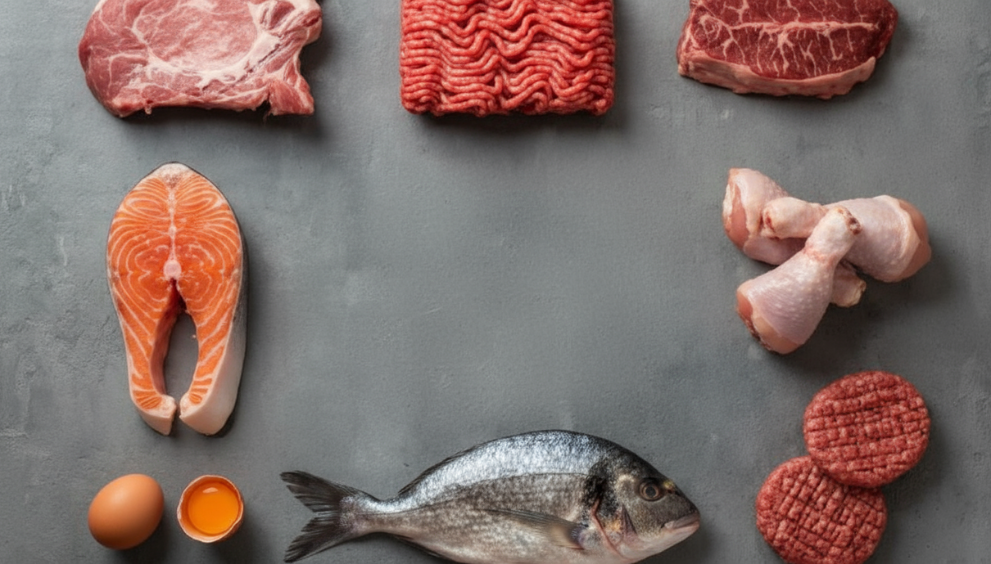
The carnivore diet meal plan has gained attention as a simple, zero-carb approach that focuses entirely on animal-based foods. For those seeking weight loss, muscle gain, or simplified eating, a meat-based diet offers nutrient-dense options without the complexity of counting carbs or calories. However, beginners often struggle with planning meals, variety, and nutritional balance.
This guide provides an easy, structured carnivore diet meal plan from breakfast to dinner, offering practical recipes, tips for preparation, and suggestions to ensure adequate nutrient intake. Whether you’re new to carnivore eating or looking for ways to streamline your meat-based meals, this plan covers everything from high-protein breakfasts to satisfying dinners. We’ll also address common concerns, meal timing, and ways to make the diet sustainable long-term.
1. Understanding the Carnivore Diet
The carnivore diet is an all-animal-food eating plan emphasizing meat, fish, eggs, and limited dairy. Key points include:
- Zero-Carb Focus: Eliminates plant foods, grains, and sugar.
- High-Protein, High-Fat: Provides energy primarily through fat and protein.
- Potential Benefits: Weight management, improved mental clarity, reduced inflammation, simplified meal planning.
- Potential Considerations: Risk of nutrient deficiencies if diet is not varied, and adjustment period known as “keto flu” in some cases.
Practical Tip: Include fatty cuts of meat and organ meats for vitamin variety, especially vitamin A, B12, and iron.
2. Breakfast Ideas for a Carnivore Diet Meal Plan
Starting the day with protein-rich meals supports energy and satiety.
2.1 Classic Steak and Eggs
- Ingredients: Ribeye steak, 2–3 eggs, salt, pepper, butter
- Method: Cook steak to preferred doneness; scramble or fry eggs in butter.
- Benefits: High protein, essential fats, vitamins B12 and iron.
2.2 Bacon and Eggs Skillet
- Ingredients: Thick-cut bacon, 3 eggs
- Method: Fry bacon until crispy, cook eggs in bacon fat.
- Benefits: High-fat breakfast, quick to prepare, zero-carb.
2.3 Carnivore Omelet
- Ingredients: 3–4 eggs, diced ham or leftover meat, heavy cream optional
- Method: Whisk eggs and cream, cook in butter, add meat mid-cooking.
- Benefits: Versatile, easy to use leftovers, high-protein.
Tip: Use grass-fed meat when possible for better omega-3 content.
3. Carnivore Lunch Options
Lunch should be hearty and easy to prepare, keeping energy levels stable.
3.1 Grilled Chicken Thighs
- Ingredients: Skin-on chicken thighs, salt, pepper
- Method: Grill or bake at 400°F until crispy and cooked through.
- Benefits: Affordable, rich in protein and fat, easy to make in batches.
3.2 Beef Burger Patties
- Ingredients: Ground beef (80/20), salt
- Method: Form patties and pan-fry or grill; serve with optional cheese slice.
- Benefits: Quick, satisfying, and provides iron and creatine.
3.3 Sardines or Tuna with Hard-Boiled Eggs
- Ingredients: Canned sardines or tuna, 2 hard-boiled eggs
- Method: Serve together, optionally drizzle olive oil.
- Benefits: High in omega-3, easy for on-the-go meals.
Micro Tip: Prepare lunch in bulk for 2–3 days to save time.
4. Carnivore Dinner Meal Ideas
Dinner can be more elaborate but still simple and meat-focused.
4.1 Ribeye Steak with Bone Marrow Butter
- Ingredients: Ribeye steak, butter, optional bone marrow
- Method: Grill steak, melt marrow into butter, drizzle over steak.
- Benefits: Rich in fat, protein, and essential nutrients.
4.2 Roasted Lamb Chops
- Ingredients: Lamb chops, rosemary, salt
- Method: Roast or grill until medium-rare
- Benefits: Excellent source of zinc and B vitamins.
4.3 Salmon or Mackerel Fillets
- Ingredients: Salmon fillet, salt, lemon juice optional
- Method: Bake or pan-sear in butter
- Benefits: Rich in omega-3 fatty acids, supports heart and brain health.
Pro Tip: Include fatty fish 2–3 times per week for essential fatty acids.
5. Snacks and Add-ons on a Carnivore Diet
Even on a strict carnivore plan, small snacks can help maintain energy:
- Beef jerky (no sugar added)
- Hard-boiled eggs
- Pork rinds
- Cheese slices (full-fat, optional for dairy-tolerant individuals)
- Bone broth
Quick Note: Snacks help maintain protein intake and reduce cravings during long fasting periods.
6. Meal Prep Strategies
Efficient meal prep is key to sticking with a carnivore diet:
- Batch Cooking: Grill multiple steaks or chicken pieces at once.
- Freeze Portions: Freeze cooked meat in portions to avoid spoilage.
- Organ Meat Integration: Rotate liver, kidney, and heart for micronutrient balance.
- Simple Seasoning: Salt, pepper, and minimal spices; avoid plant oils for strict carnivore compliance.
Time-Saving Tip: Use slow cookers or ovens for bulk meals with minimal hands-on time.
7. Hydration and Electrolytes
A carnivore diet can lead to initial water loss and electrolyte depletion. Tips to maintain balance:
- Drink plenty of water throughout the day.
- Add a pinch of salt to meals or water for sodium.
- Include bone broth for sodium, magnesium, and collagen.
- Consider magnesium supplements if needed.
Practical Note: Proper hydration prevents fatigue, headaches, and muscle cramps.
8. Common Pitfalls and How to Avoid Them
- Boredom: Rotate proteins and use different cooking methods.
- Nutrient Deficiency: Include organ meats and fatty fish.
- Digestive Issues: Gradually increase fat intake to allow adaptation.
- Overeating Protein: Balance with dietary fat for energy needs.
Expert Tip: Track intake for first 2–3 weeks to learn your ideal protein-to-fat ratio.
9. Sample 1-Day Carnivore Diet Meal Plan
Breakfast: Steak and eggs with butter
Lunch: Grilled chicken thighs with bone broth
Snack: Hard-boiled eggs or beef jerky
Dinner: Ribeye steak with bone marrow butter and salmon fillet
Macro Note: Approx. 70% fat, 30% protein; zero carbohydrates, aligns with strict carnivore ratios.
10. Tips for Long-Term Sustainability
- Variety: Include different cuts, organ meats, and fish.
- Meal Planning: Pre-plan meals weekly to reduce stress.
- Mind Micronutrients: Consider supplements for vitamin C and magnesium if necessary.
- Listen to Your Body: Adjust portion sizes based on energy, satiety, and weight goals.
- Community Support: Engage in online forums or groups for recipe ideas and motivation.
FAQs About Carnivore Diet Meal Plans
1. What is a carnivore diet meal plan?
A structured eating plan that includes only animal-based foods like meat, fish, eggs, and some dairy, focusing on high protein and fat while eliminating carbohydrates.
2. Can I lose weight on a carnivore diet?
Yes, many people experience weight loss due to reduced calorie intake, improved satiety, and lower insulin levels.
3. How many meals should I eat per day on carnivore?
Typically 2–3 meals, with optional snacks if needed, depending on hunger and energy requirements.
4. Are organ meats necessary on a carnivore diet?
Not mandatory, but they provide essential vitamins and minerals missing from muscle meat alone.
5. Can I include dairy in a carnivore diet?
Yes, if tolerated. Full-fat, low-lactose dairy like cheese and heavy cream can be included.
6. Is intermittent fasting compatible with a carnivore diet?
Yes. Many people combine carnivore with intermittent fasting for simplified eating and metabolic benefits.
7. How do I prevent boredom with a carnivore diet?
Rotate protein sources, cooking methods, and include different cuts and fatty fish to maintain variety.
Conclusion
A well-structured carnivore diet meal plan can simplify your eating, support weight management, and provide high-quality protein and fats. From breakfast steaks to dinner ribeye fillets, incorporating variety, organ meats, and fatty fish ensures nutrient adequacy.