
 English
































































































10 Things You Should Know About Masseter Botox Treatment

Masseter botox has become a popular cosmetic procedure for people seeking a slimmer jawline, relief from teeth grinding, or facial reshaping without surgery. This minimally invasive treatment targets the masseter muscles, which are located at the sides of the jaw. By relaxing these muscles, Botox can reduce the appearance of a square jaw, improve facial symmetry, and even alleviate discomfort associated with clenching or TMJ disorders.
If you’re considering this treatment, it’s crucial to understand the procedure, expected results, and potential risks. In this comprehensive guide, we’ll discuss 10 essential things you should know about masseter botox, including its benefits, how it works, the treatment process, side effects, and expert tips to ensure safety and effectiveness.

1. What Is Masseter Botox?
Masseter botox is the injection of botulinum toxin into the masseter muscles, which are responsible for chewing. Unlike cosmetic botox used on forehead lines or crow’s feet, this procedure targets the jaw area to:
- Reduce the size of the masseter muscles
- Slim the lower face
- Relieve jaw tension from clenching or teeth grinding (bruxism)
The results are subtle yet noticeable, creating a more oval or heart-shaped facial appearance over time.
2. How Masseter Botox Works
Botox temporarily blocks nerve signals to the masseter muscles, reducing muscle activity. When the muscles are less active:
- Muscle bulk gradually decreases
- Jawline appears slimmer
- Teeth grinding or clenching diminishes
Typically, results begin to appear within 2–4 weeks, with maximum effect around 8–12 weeks. Maintenance treatments are usually required every 3–6 months depending on muscle strength and individual metabolism.
Practical Note: Unlike surgical jaw reduction, masseter botox does not permanently change bone structure. Results are reversible and non-permanent.
3. Benefits of Masseter Botox
Masseter botox offers multiple advantages beyond cosmetic enhancement:
Cosmetic Benefits
- Slimmer, more defined jawline
- Balanced facial proportions
- Subtle reduction of square jaw appearance
Functional Benefits
- Relief from teeth grinding and clenching
- Reduced jaw pain and discomfort from TMJ disorders
- Prevention of wear and tear on teeth due to overuse
Lifestyle Benefits
- Quick procedure (usually 10–15 minutes)
- Minimal downtime; patients can resume daily activities immediately
- Non-surgical and minimally invasive
4. Who Is an Ideal Candidate?
Not everyone is suitable for masseter botox. Ideal candidates typically:
- Have prominent masseter muscles causing a square jaw
- Suffer from bruxism or jaw tension
- Seek non-surgical facial contouring
- Are in good overall health and not pregnant or breastfeeding
Important: A consultation with a licensed practitioner is essential to assess facial structure, muscle activity, and potential contraindications.
5. What to Expect During the Procedure
The masseter botox treatment is straightforward:
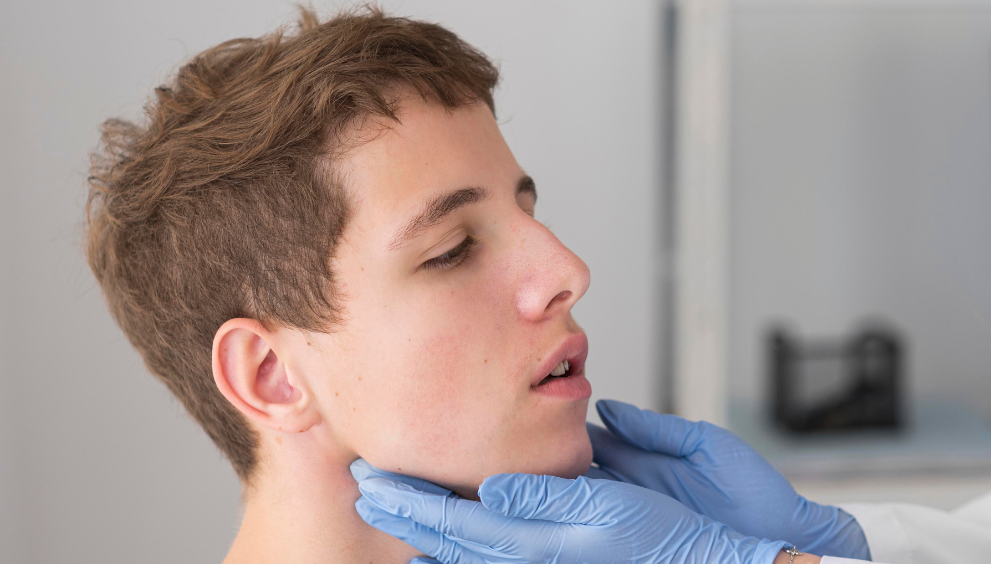
- Assessment: The doctor examines the jaw and identifies injection points.
- Cleansing: The area is sanitized to prevent infection.
- Injection: Small amounts of Botox are injected into each masseter muscle.
- Post-treatment: Patients may experience mild swelling or tenderness at injection sites.
Duration: The procedure typically takes 10–15 minutes, and most patients can return to normal activities immediately.
6. Recovery and Aftercare
Masseter botox has minimal downtime. Post-treatment recommendations include:
- Avoid massaging the jaw area for 24 hours
- Refrain from strenuous exercise for a day
- Avoid lying down immediately after injections
- Follow up in 2–4 weeks to monitor results
Note: It’s normal to feel slight tightness or mild discomfort, which usually resolves within a few days.
7. Side Effects and Risks
While masseter botox is generally safe, potential side effects can include:
- Swelling, redness, or bruising at injection sites
- Temporary weakness in chewing muscles
- Mild asymmetry or uneven results
- Rare complications such as difficulty chewing or smile changes
Safety Tip: Always choose a board-certified cosmetic practitioner experienced in facial injections to minimize risks.
8. Duration and Maintenance
The effects of masseter botox are temporary:
- Initial Results: 2–4 weeks after treatment
- Maximum Effect: 8–12 weeks
- Maintenance: Every 3–6 months depending on muscle size and activity
Regular touch-ups help maintain a slimmer jawline and continued relief from jaw tension.
9. Cost Considerations
Masseter botox is generally more affordable than surgical jaw reduction but varies depending on:
- Geographic location
- Provider experience and reputation
- Number of units required for effective treatment
Average Cost: $300–$800 per session in the U.S.
Practical Advice: Don’t compromise on quality to save money; precise injections by an experienced clinician are crucial for safe, effective results.
10. Alternatives to Masseter Botox
If masseter botox isn’t suitable, other options include:
- Surgical Jaw Reduction: Permanent but invasive with longer recovery
- Dental Appliances: Night guards to manage bruxism
- Physical Therapy: Exercises and massage for jaw tension
- Lifestyle Adjustments: Stress reduction, chewing habits, and diet modifications
Botox is often preferred for its non-surgical approach, minimal downtime, and dual cosmetic and functional benefits.
FAQs About Masseter Botox
1. Is masseter botox painful?
Most patients experience only mild discomfort during injections. Topical numbing cream can be applied to reduce pain.
2. How long does it take to see results from masseter botox?
Initial results appear within 2–4 weeks, with full effects visible around 8–12 weeks.
3. Can masseter botox help with teeth grinding?
Yes. By relaxing the masseter muscles, botox reduces clenching and protects teeth from wear.
4. Are the effects of masseter botox permanent?
No. Effects last about 3–6 months. Regular treatments are needed to maintain results.
5. Are there any dietary restrictions after masseter botox?
No strict restrictions, but avoid hard chewing and excessive jaw activity for the first 24 hours.
6. Can masseter botox change my smile?
Rarely. If injections are done correctly, facial expressions remain natural, but inexperienced injections may cause mild asymmetry.
7. Who should avoid masseter botox?
Pregnant or breastfeeding women, people with certain neuromuscular disorders, or those with known allergies to botulinum toxin should avoid this treatment.
Conclusion
Masseter botox is a versatile, non-surgical solution for individuals seeking a slimmer jawline, relief from teeth grinding, or improved facial balance. By understanding the procedure, potential benefits, and risks, patients can make informed decisions and achieve safe, natural results.
From cosmetic enhancement to functional relief, masseter botox combines convenience, efficacy, and minimal downtime. Always consult a licensed practitioner to tailor treatment to your needs and maintain results with regular follow-ups.
When done correctly, masseter botox can enhance your appearance, alleviate discomfort, and provide a subtle yet impactful transformation of the lower face.