
 English







































































































12 Volt Battery: Types, Uses & Maintenance Guide
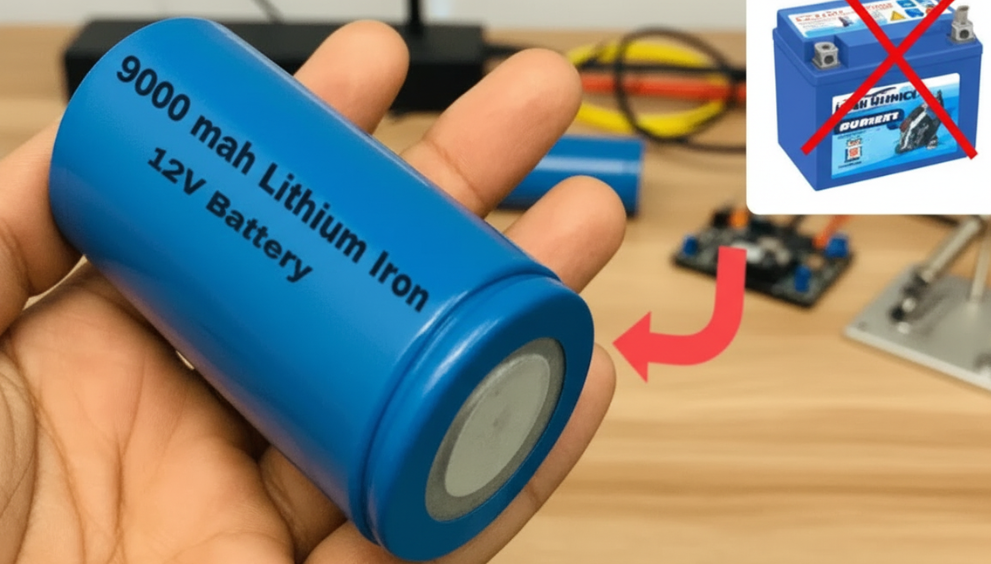
You’re probably searching for a 12 volt battery because you need a dependable, daily power source for your vehicle, solar system, or backup power. However, with so many options available—such as deep-cycle, lithium, and lead-acid—it can be difficult to determine which one best suits your needs, how to take care of it, and how long it will actually last. The primary varieties of 12 volt batteries, common applications (such as a 12 volt battery for a solar system or a car), how to choose the best brand for your budget, and crucial maintenance procedures to prolong the lifespan of a 12 volt battery are all covered in this guide. By the end, you’ll know how to pick and maintain a healthy battery.
The Reasons Behind the Standardization of the 12 Volt Battery
Because it provides a good mix between acceptable voltage and useful power output for many applications, the 12 volt rating is widely popular. For instance, deep-cycle solar system configurations, automobile engines, or even recreational vehicles.
Compatibility is widely available because the 12 V battery format is standardized and used in many systems and accessories.
Commonplace Uses
- An automobile’s electrical systems and engine are powered by a 12V battery.
- A 12V solar battery is used in off-grid systems to store the energy that is generated during the day.
- 12V deep cycle batery types are used for deep discharge applications (such as boats and RVs).
Twelve-Volt Battery Types
Performance, cost, upkeep, and lifespan are all impacted by the type and chemistry chosen.
Batteries Made by Lead Acid
They are the traditional workhorses. AGM, Gel, and Flooded are subtypes. For instance, flooded lead-acid batteries need to have their water levels checked.
Advantages: Widespread availability and lower initial cost.
Cons: More maintenance, lower cycle life, and heavier weight.
AGM, Gel, and Sealed Lead Acid
These lead-acid varieties are easier to utilize. Types of Gel and AGM (Absorbent Glass Mat) provide sealed, maintenance-free functioning.
Advantages: Good durability and low maintenance.
Cons: Still heavy; more costly than simple flooded types.
12 Volt Rechargeable Lithium-Ion/LiFePO4 Battery
Growing in popularity because of its long lifespan, high performance, and reduced weight. LiFePO4 provides high cycles and stability.
Pros: Lightweight, maintenance-free, long lifespan (many cycles).
Cons: More expensive up front; suitable charger and BMS must be guaranteed.
How to Pick the Best Brands and Specifications for 12 Volt Batteries
You should consider capacity, cycle life, brand support, warranty, and application compatibility while assessing the “Best 12 volt batery brands.”
Important Factors to Consider
- Capacity (Ah): More storage is equal to more amp-hours.
- Cycle life: You desire a high cycle count for deep cycle use (off-grid solar).
- Brand and warranty: Reputable companies frequently provide superior customer service.
- Chemistry: Complement your application (deep cycle vs. starter).
- Compatibility: Specifications vary for cars, solar, and marine.
Lifespan Calculation Example
If you cycle a deep-cycle 12V battery once a day and it has a rated 1000 cycles at 50% depth of discharge (DoD), you may anticipate about three years of heavy use. With comparable use, a high-end lithium may provide 2000+ cycles (~5+ years). Calculate how long a 12V battery will last for your budget with this.
Uses and Situations for a 12-Volt Batery
Here are some real-world applications for several types of 12V batteries.
Automobile (12-Volt) Battery
For a brief period, starter batteries provide a high current. They are not designed for deep discharge, but rather for engine cranking. Select a starting battery, usually lead-acid or AGM.
Off-Grid and Solar Systems
You should use a 12 V battery for solar systems that is made to withstand numerous deep cycles while storing energy from solar panels. Here, lithium or deep-cycle lead acid work well, depending on available funds and space.
RV, Marine, and Recreational Use
Because you may need to drain power gradually over an extended length of time (lights, refrigerator, AC), a 12V deep cycle batery is essential in this situation. Despite its high cost, lithium frequently becomes appealing due to its weight and maintenance requirements.
Preserving and Increasing the Lifespan of 12 V Batteries
Longevity, safety, and cost savings are all increased by proper maintenance.
Fundamentals of Care
- Maintain tight and clean terminals.
- Verify the water levels for lead-acid (if flooded type).
- Make use of the proper charger; current and voltage profiles are important.
- Avoid extremely high or low temperatures since heat shortens life.
- Steer clear of deep discharge below the depth advised by the manufacturer, particularly for lead acid.
Standard Use vs. Deep Cycle
Deep-cycle batteries are made to be discharged and recharged repeatedly. Normal starter batteries aren’t. When a starting battery is used as a deep cycle, its lifespan will be significantly shortened.
Time Spent in Storage and Idle
A 12V battery should be kept at around 50% charge, in a cool, dry location, and recharged on a regular basis if it will be stored for months. Sulfation (in lead acid) and self-discharge can shorten longevity.
Tracking and Replacing Indicators
Age-related symptoms include decreased capacity, failure to maintain charge, visual impairment, and excessive heat. It might be less expensive to replace rather than repair when performance noticeably deteriorates.
Benefits and Drawbacks of Various 12 Volt Battery Choices
Advantages
- Lead acid is affordable for a variety of common applications.
- Lithium is lightweight, long-lasting, and requires little maintenance.
- Types of deep cycles: designed for long-term use.
Drawbacks
- Lead acid is heavy, requires more upkeep, and has a shorter lifespan.
- Lithium requires the proper charger and has a greater initial cost.
- Deep cycle: unless otherwise noted, not recommended for high-crank applications.
Typical Mistakes & Pitfalls to Steer Clear Of
- Utilizing the incorrect battery type (deep cycle vs. starter).
- A battery’s lifespan is drastically reduced when it is over-discharged.
- Improper charger or charging profile—can damage battery.
- Neglecting upkeep, particularly with regard to lead acid.
- Ignoring manufacturer specs (capacity, max discharge, warranties).
Brief Synopsis
To recap: The 12 Volt Battery is a flexible and ubiquitous power unit. Whether you’re picking one for your car, a solar system, or an RV, you’ll get the best results by choosing the right chemistry, matching your use‑case, maintaining properly, and being aware of lifespan trade‑offs.
Conclusion
Choosing the right 12 Volt Battery isn’t about getting the biggest or the cheapest—it’s about matching the battery to your application, understanding the chemistry, and committing to proper usage and care. Whether you go with a budget-friendly lead-acid, a maintenance-free AGM, or a high-performance lithium option, you’ll maximize value by staying informed and proactive. With the insights, comparisons, and maintenance steps outlined above, you’re now equipped to select wisely and ensure your battery serves you reliably for years.
From powering small devices with a 12V battery to running large-scale urban systems, electricity plays a crucial role in our daily lives. ⚡ The same principles of energy management and efficiency are applied on a much bigger scale in modern urban planning. To see how advanced technologies are shaping connected, sustainable cities, explore our detailed guide on Smart City Technology.
FAQs
Q1: What does “12 Volt Battery lifespan” typically mean?
A1: It refers to the number of charge/discharge cycles the battry can undergo before its capacity drops significantly. For example, a lithium 12 V bttery might offer 2,000+ cycles, while a basic lead-acid may only deliver 300‑500.
Q2: Can I use a 12 V batery for car and solar at the same time?
A2: Technically yes, but you need a batery rated for deep cycling if you’ll draw power frequently (as in solar). A standard starter battery might fail prematurely if used in off-grid solar applications.
Q3: Are the “best 12 volt battry brands” worth the premium?
A3: Often yes—top brands usually offer better warranty, support, optimized chemistry, and reliable performance. The extra cost can pay off via longer lifespan and fewer failures.
Q4: How do I charge a 12 volt rechargeable battery safely?
A4: Always use a charger designed for the specific chemistry (lead-acid vs lithium). Monitor voltage and temperature, avoid rapid overcharging, and follow manufacturer guidelines.
Q5: Is a 12V deep cycle battery necessary for my RV?
A5: If you’ll draw power (lights, fridge, AC) while parked/off-grid, yes—a deep cycle is ideal. If you only need the battery to start the engine occasionally, a standard 12 V starter battery may suffice.